
Sake 101: A Beginner’s Guide
What it is, how to read a label, and some bottles worth knowing

Scroll down to read about some of my favorite bottles on the market!
In 2026, I have noticed a big rise in sake in London and I am HERE FOR IT. Growing up in Los Angeles, where good Japanese food and drink are genuinely part of the culture, I was lucky enough to encounter the drink early in my life - my parents often had it in the fridge and always ordered it when going out for sushi or shabu shabu.
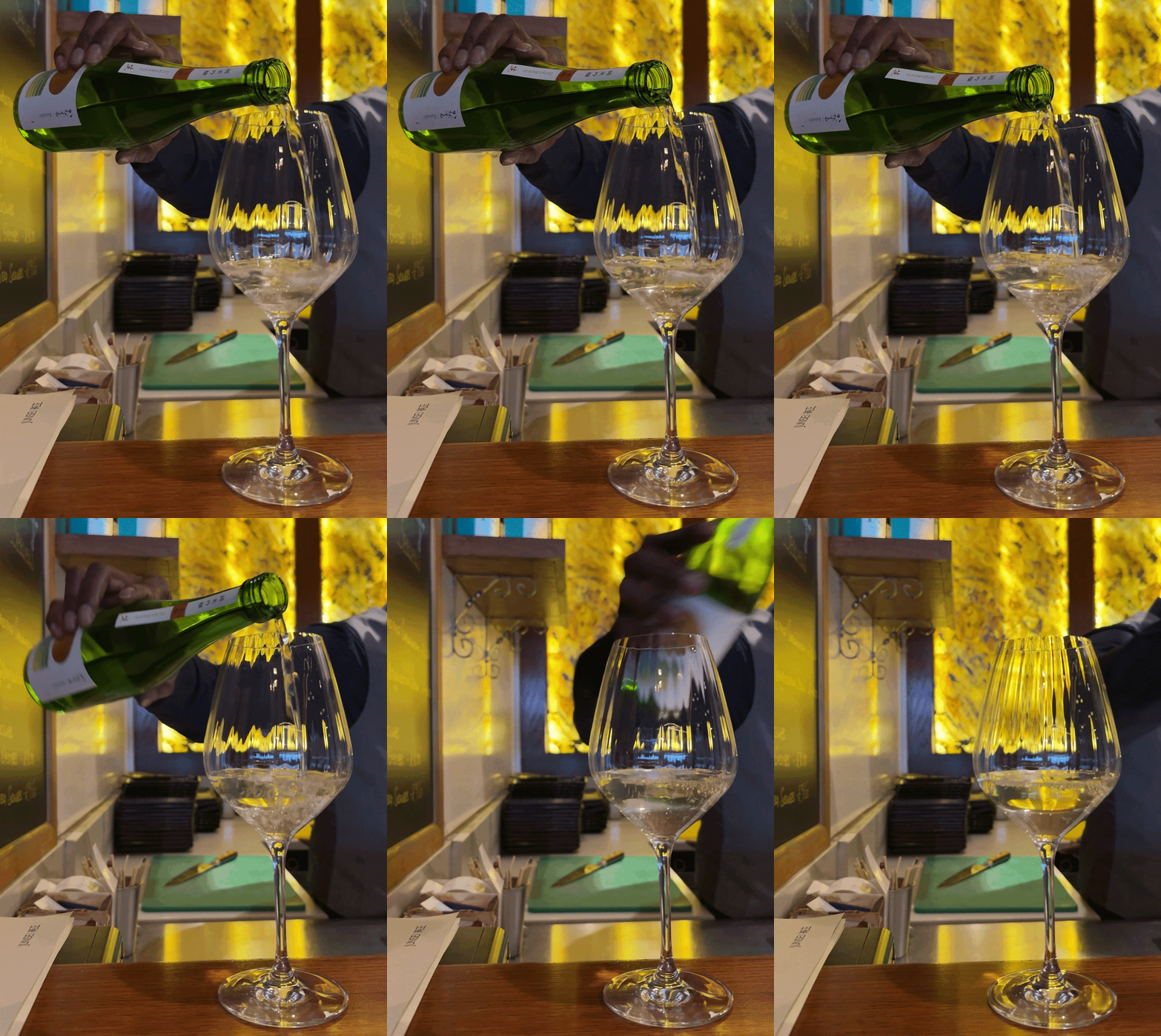
When I lived in New York, my favorite bar was Decibel in the East Village… this dimly-lit and chaotic basement spot is still very much around and has an unreal list of sakes and delicious bites. NYC guide here.
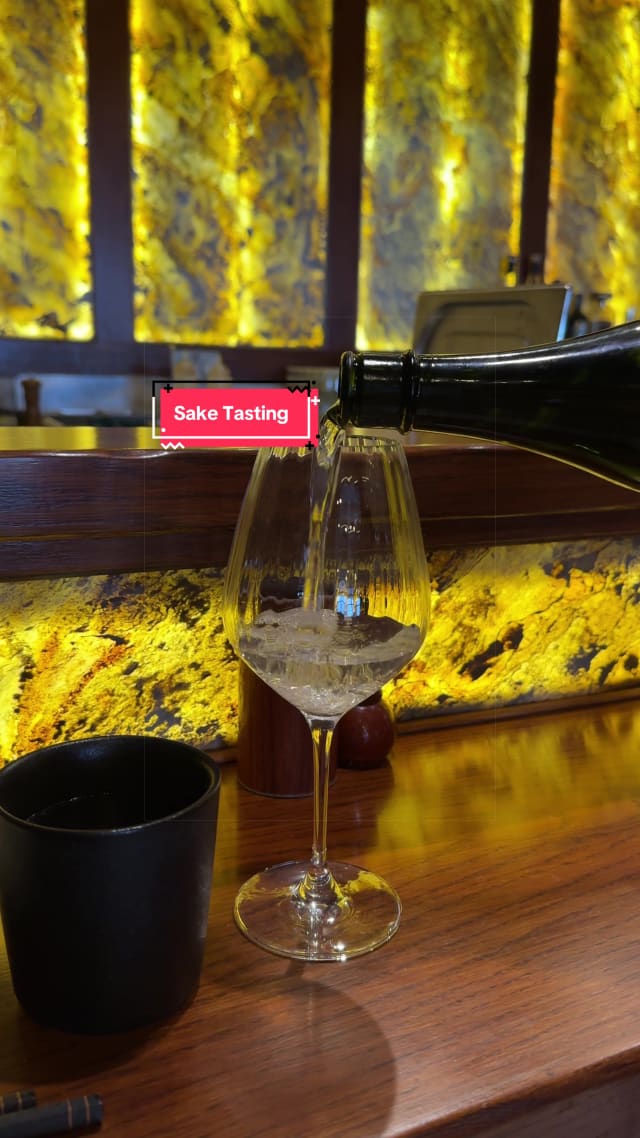
 Tiktok failed to load.
Enable 3rd party cookies or use another browser
In 2020, I moved to London, and sake somewhat disappeared from my life. The easiest option for a good bottle was always Whole Foods, whose selection is actually pretty solid if you know what to look for. Good Japanese restaurants existed, but sake was always extremely expensive compared to what I was used to.
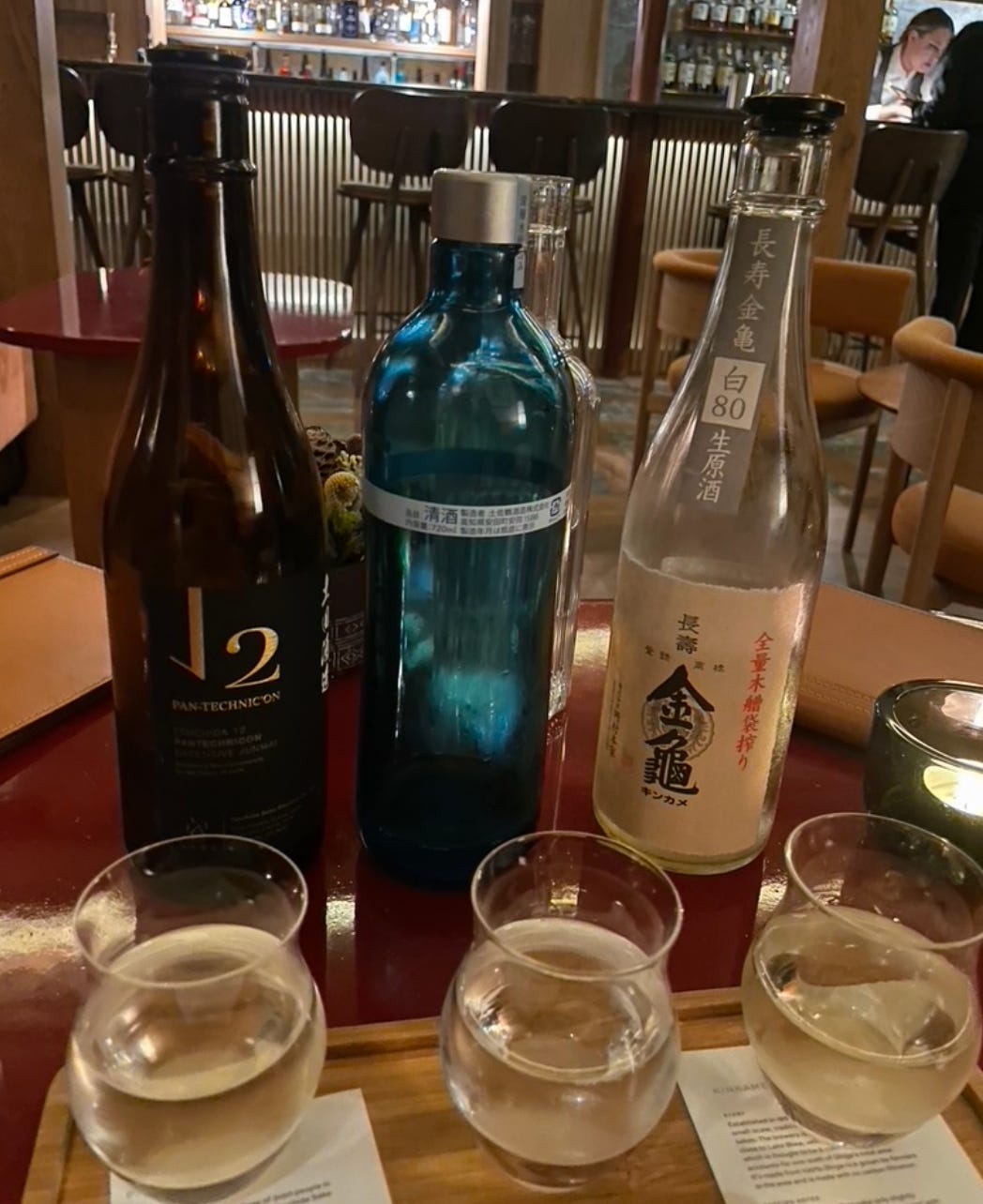
I’ve had a few sake flights at Sachi (London city guide) but one in particular stuck with me. Although I didn't write the name down, rookie mistake, it was made with salt water and it blew my mind. That said, now the London sake scene is arriving in full force so get ready! I know I am. In 2026, I’ve noticed sake showing up everywhere - on non-Japanese wine lists, in drink stores, at pairing dinners etc. Restaurants seem to be finally treating it with the same seriousness as a good wine.
Why do I love sake? It’s clean, crisp, and pairs really well with my favorite food. The sake I gravitate is not sweet, you can drink it throughout an entire meal, and still feel great at the end of it.
So What Is Sake?
Sake is a fermented rice drink from Japan, made using four ingredients: rice, water, koji mold, and yeast. Sometimes a small amount of distilled alcohol is added in but sometimes it’s not. That distinction actually matters! Just wait and read all about it below…
Sake is pronounced sah-keh not sah-kee!
It’s often referred to as “rice wine” but the production process is actually way closer to beer: grain, rather than fruit, is fermented. The magic ingredient is koji, a rice mold that converts the starches in rice into sugars that can also ferment.
Koji is the same ingredient that goes into miso! You can find my basic miso recipe in The Condiment Book.
Sake’s alcohol content is usually between 14–17%, which is higher than wine but lower than spirits.
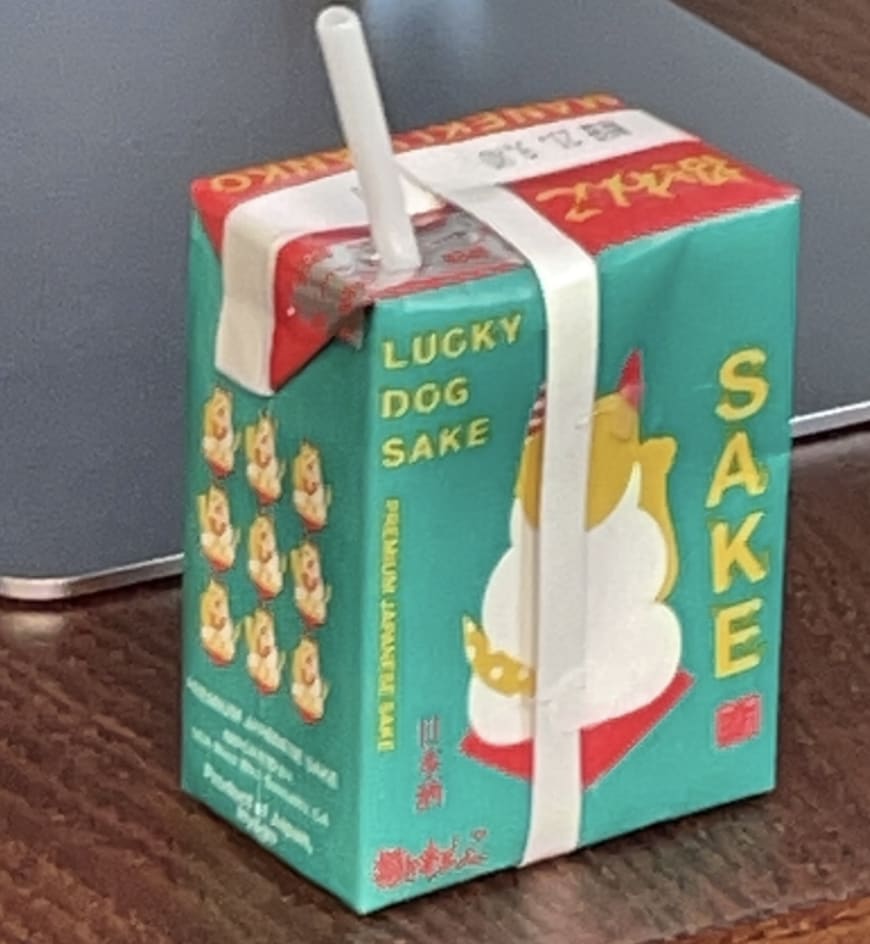
How to Read a Sake Label
I promise it’s simpler than it looks! The grade of a bottle of sake is determined by 2 things: polished rice and whether distilled alcohol has been added or not.


Rice Polishing Ratio - seimaibuai
Before brewing sake, rice is polished to remove the outer, tough layers of the grain which can create tough flavors. The more you polish, the purer and more delicate and aromatic the sake will taste.
The exact percentage written on the bottle tells you how much of the grain remains:
70% or below = Honjozo or Junmai (entry level, hardy)
60% or below = Ginjo (fragrant, usually a bit fruity)
50% or below = Daiginjo (premium, refined, clean)
So a lower percentage means more polishing which means it’s a higher grade.
Sake Categories
Junmai vs Non-Junmai
Junmai means “pure rice” so it’s made with only rice, water, koji, and yeast (no added alcohol).
Non-Junmai styles have a tiny addition of distilled alcohol, which is actually a traditional technique used to lift aromas and create drier and cleaner finish.
The Main Categories
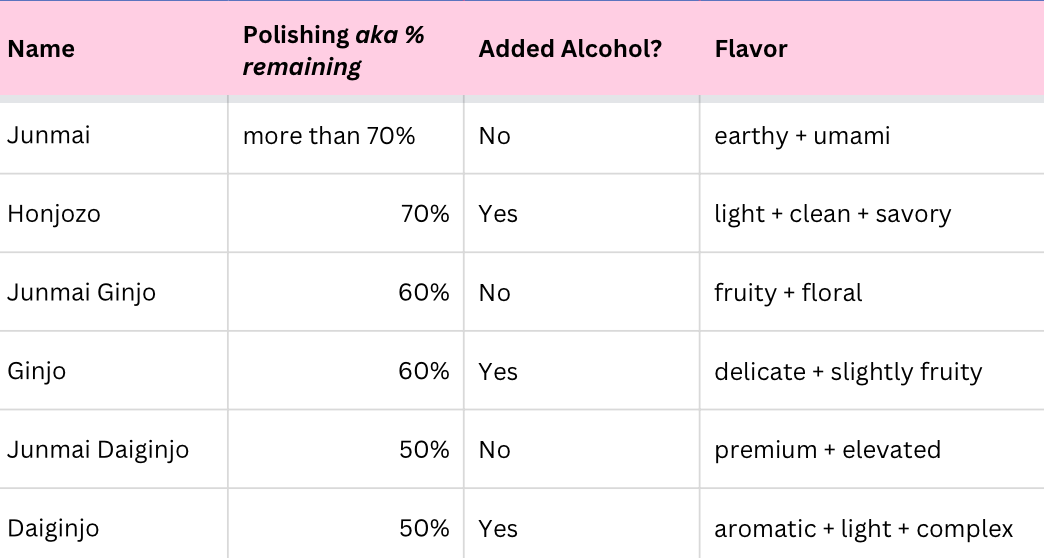
Some extra styles:
Nigori - cloudy, unfiltered so rice sediment sticks around
creamy and sweet
Namazake - unpasteurized, fresh
bright and fruity acidic
Koshu - aged, golden
caramel and soy sauce
Kimoto and Yamahai - traditional fermentation methods that produce richer sake that can be served warm (see below warm v cold)
creamy and rich
Sparkling - usually less alcohol
bright and slightly sweet
Warm v Cold
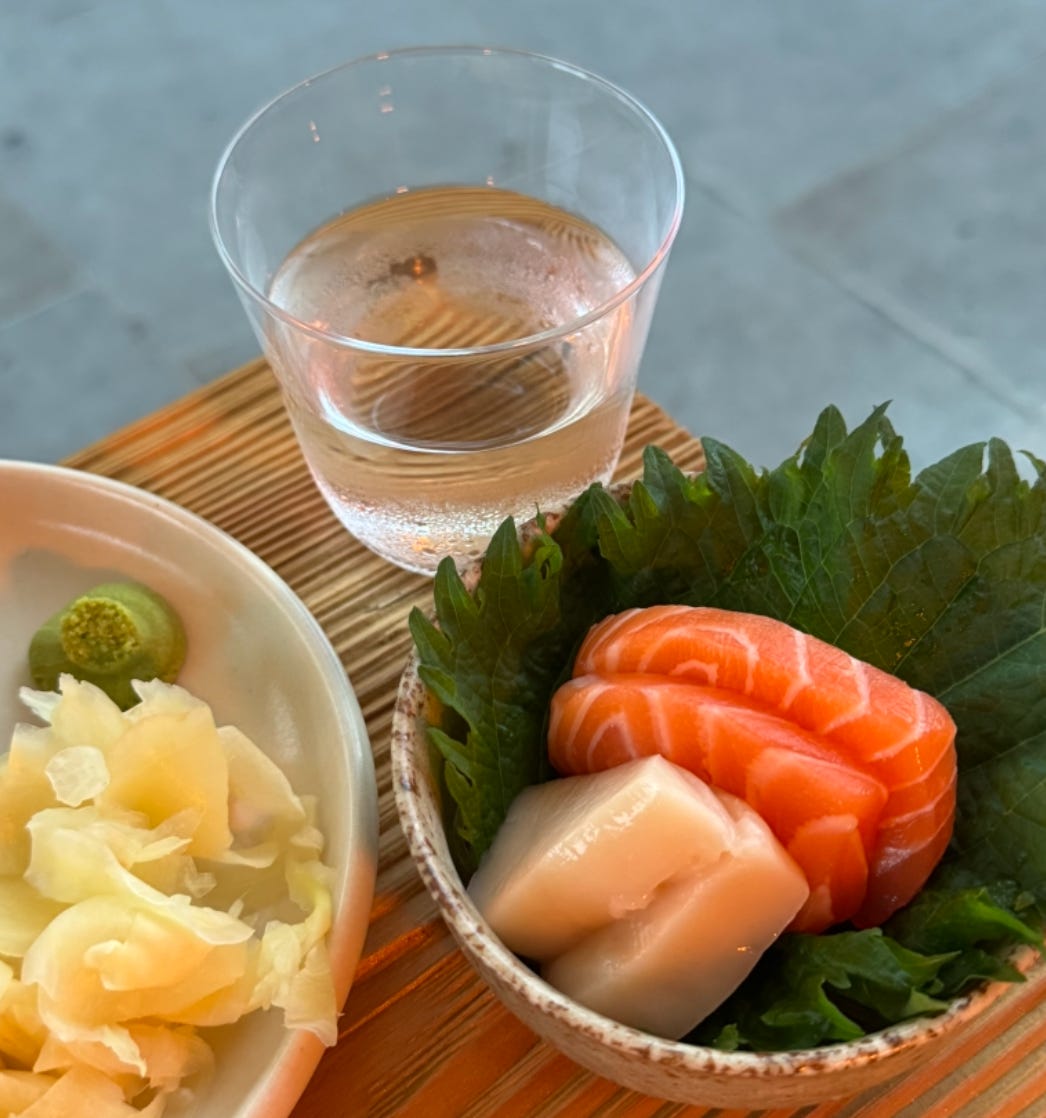
I always used to think that warm sake meant low-grade sake… Premium sake like Ginjo and Daiginjo should always be served chilled (around 8–12°C) to preserve their aromas. That said, some Junmai styles can be served warm. Turns out, a bit of heat can round out some of the umami notes and makes them taste cozy and comforting. The key is to match the style to the temperature.
Sake Terroir! Yes, like Wine
Yes! Like wine and matcha, sake is deeply shaped by where it’s made. The water source is significant: soft water produces delicate sake whereas hard water can produce drier, and more punchy styles.
The rice variety matters too. Yamada Nishiki is fancy, very prestigious sake rice. That said, there are doooozens of other regional varieties that have different characteristics and produce distinct flavors.
And then there’s yeast... This is where things get genuinely wild and this is a world I’ve only just started learning about. See Sanuki Olive Yeast below!
Bottles I’ve Been Loving Recently
Onto the most fun part, the flavors! Over the past few months I’ve been re-building my sake education through some brilliant bottles both at home and in restaurants. I’ve included a few recent ones below worth knowing.
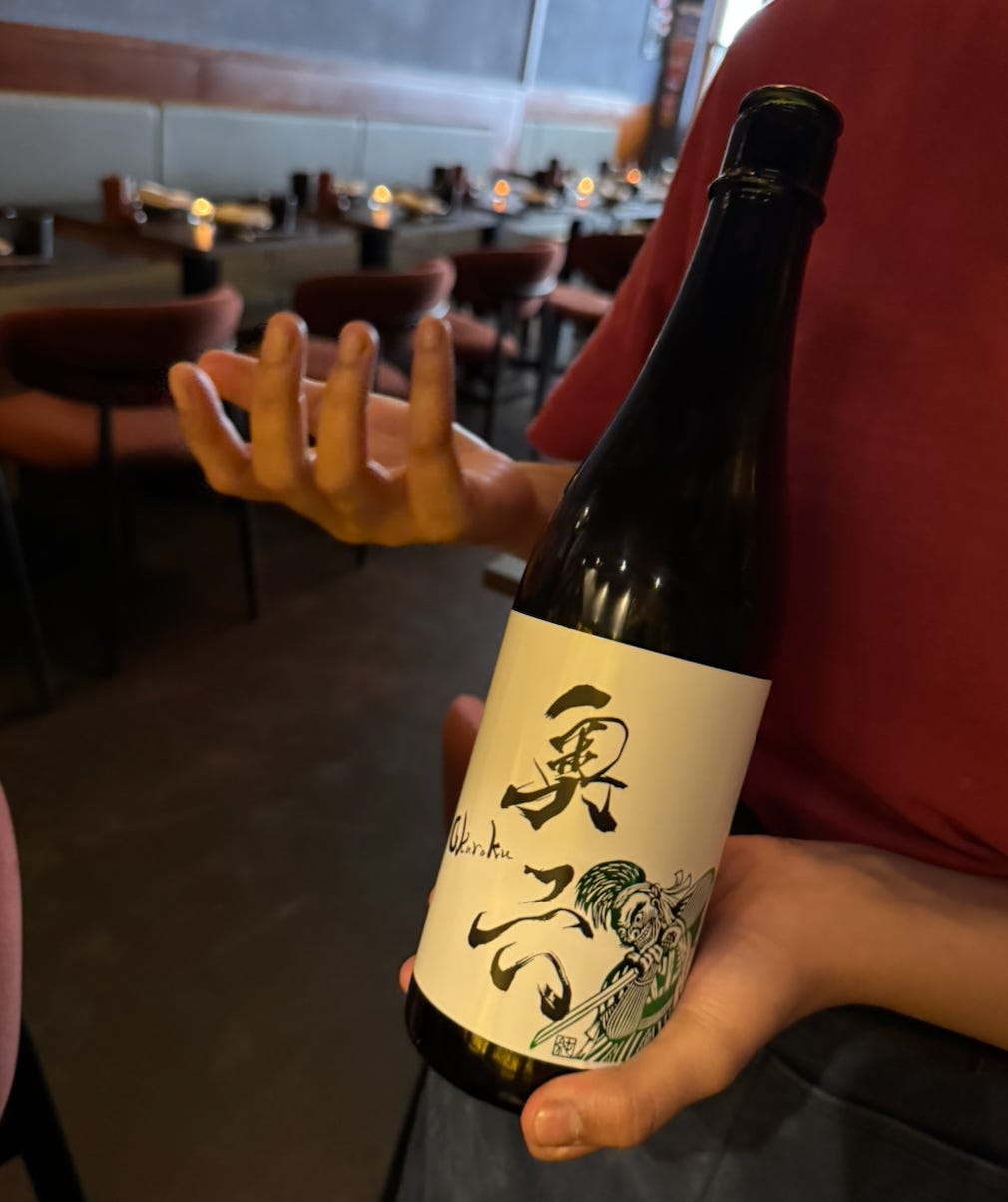
Okuroku Unite
This is one of my favorite bottles on the market. Okuroku is produced in Iwate Prefecture in northern Honsh, an area known for its clean mountain water and cold fermentation conditions. Crispy, crunchy, fresh - pairs super well with light fish and pickles.
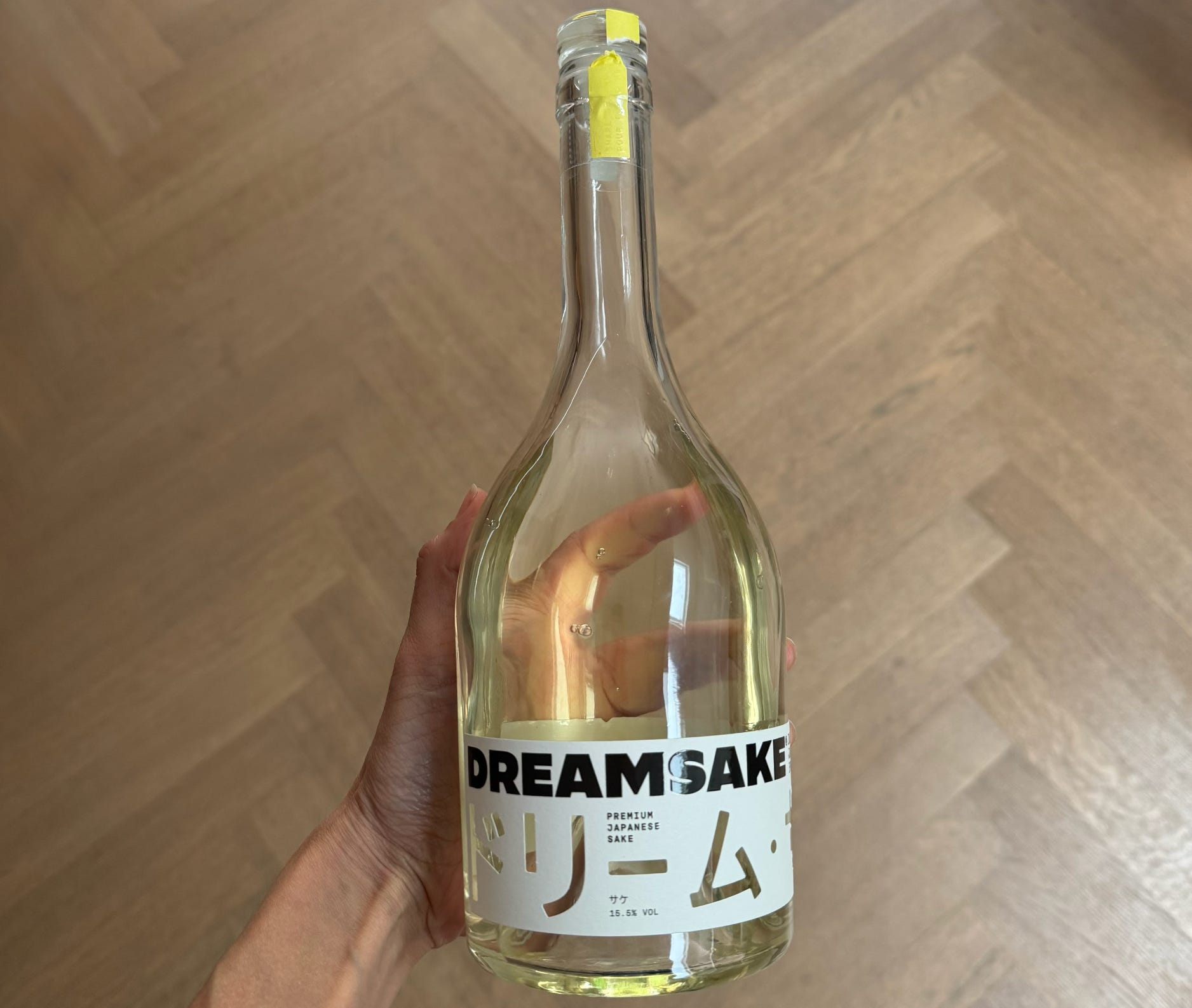
Dreamsake
This London-based sake tastes clean and minerally - just how I like it! It’s a really nice entry point if you want to grasp what a premium Daiginjo actually tastes like - it’s not overly fruity or sweet nor is it too earthy and rich. The perfect in between!
My boyfriend and I just shared a bottle of it for a Japanese date night we did at home and it paired well with everything we enjoyed from silken tofu and ponzu to miso dusted chicken wings and matcha mochi


Hachi Hachi - Sanuki Olive Yeast No. 23
Hachi Hachi means “eight-eight” in Japanese which is a direct nod to its rice polishing ratio of 88%.
This sake was SO interesting. The yeast used in it is actually from the olives grown on the island of Shodoshima where the brewery is based. It’s also one of the few sake companies run by a woman! I love this is the kind of hyper-local flavor because it creates an aroma unlike anything else you can taste on the market. Very olive-oily?

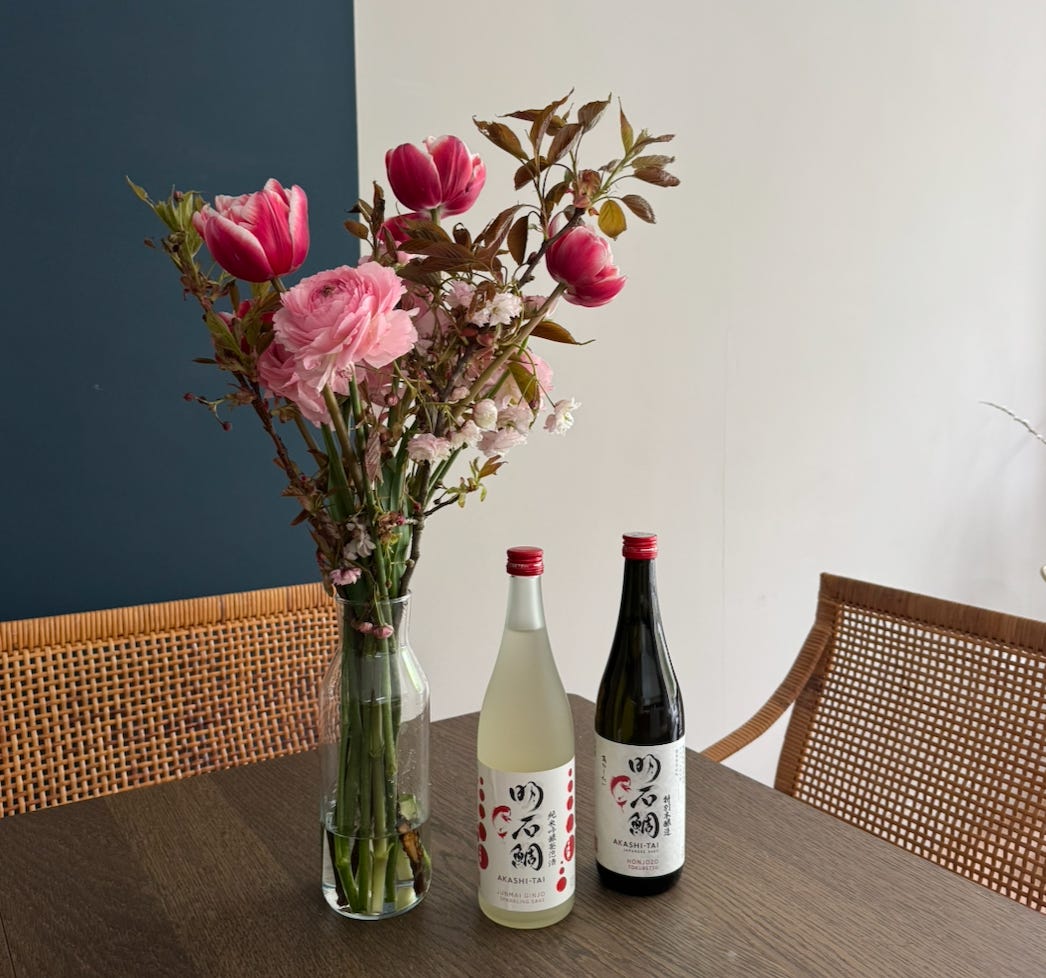
Akashi-Tai: Junmai Ginjo Sparkling & Honjozo
Sparkling: lightly sparkling, slightly sweet and creamy. This is a great “gateway” sake to introduce people to its flavor. It was sent to me during cherry blossom season because its floral notes are reminiscent of the season :’)
Honjozo: dry, clean, and crisp! Like the first bottle on this list, Okuroku Unite with food, especially fish, pickles, or anything with umami.
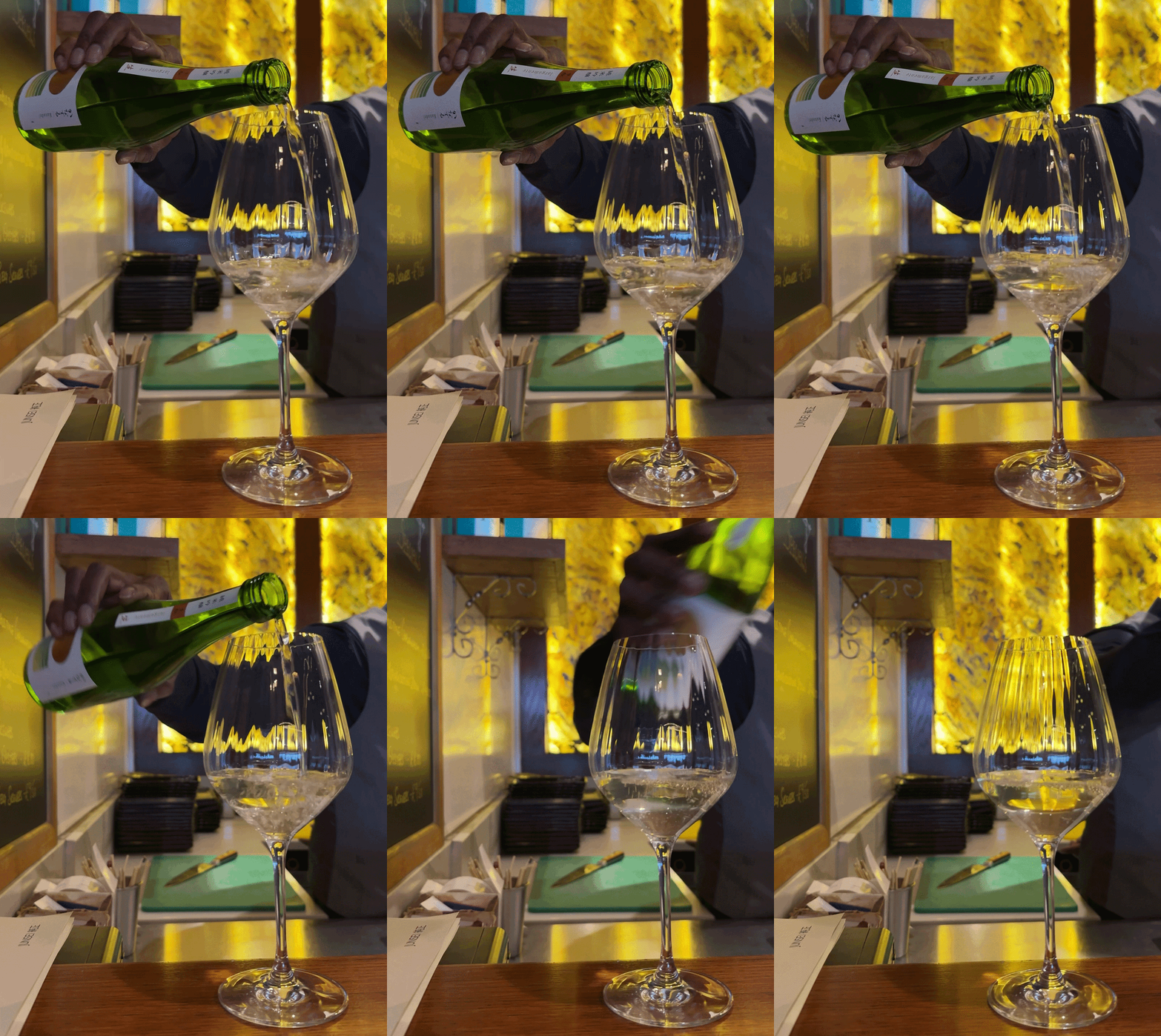
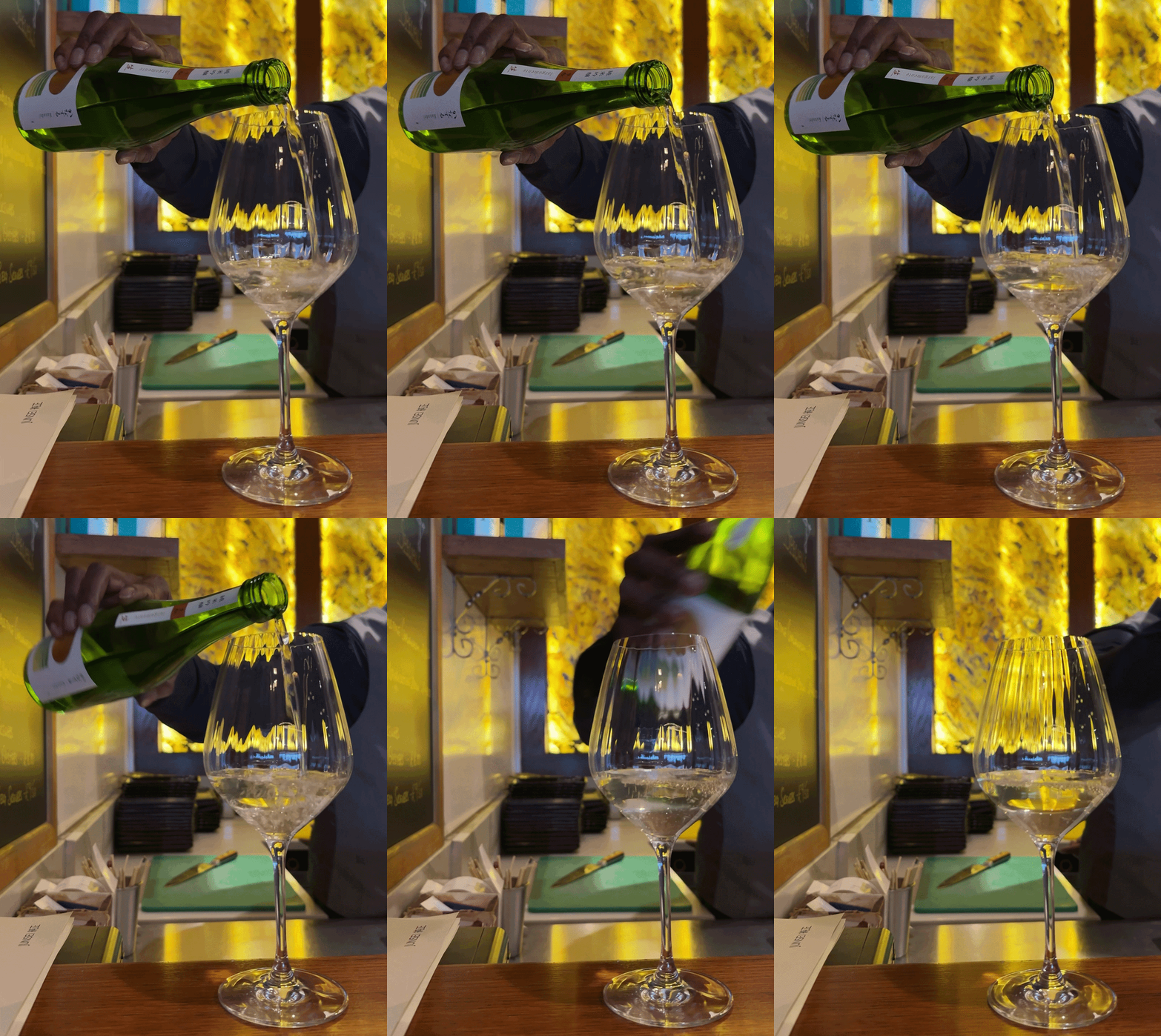
Kanadel Kimoto Nama
Nama means unpasteurized so while most sake is pasteurized twice, nama is bottled alive, which means it needs refrigeration asap. This bottle is a weird one - it’s slightly tangy, almost like kefir? While I’m not sure I’d sip this one on its own, it’s a really fun one to pair with something earthy and rich to counteract the deep flavors.
Do you have a sake you love that I haven’t mentioned? Let me know in the comments, I’m always looking for the next bottle!
So so interesting! Have never really heard of it before.
A boire avec moderation :)