
Rose 101
History, flavor, condiments...

Rose Hip info + uses here! Elderflower jelly here! Rose matcha! and the full farm video here <3
I never thought I’d be on social media let alone forge a career around it. This pandemic-induced 180 flip in my life has been such a blessing because I am now able to do what I truly love - try food and flavors from around the world and visit unexpected places, specifically farms and gardens. Last month I was invited to visit the Fortnums rose supplier, Sue McNeill and her family, and it unlocked an entire new section of my flavor palate I did not know existed.


My entire life I resisted eating floral products* as I had it in my brain that these were too perfume-like for my liking. When I launched my book in the UK at Fortnum’s last October, I tasted their Rose Petal Chutney and was simply blown away. Why was it that I could actively enjoy a rose condiment all of a sudden? Made with malt, apples, onions, and a nice amount of lemon for my liking, how was it that the rose flavor still came through but didn’t leave that overwhelming flavor on my entire tongue for hours?? I was surprised but didn’t venture out of my comfort zone with rose flavored products again.
*apart from orange blossom and elderflower, two of my favorites!
When I was invited to visit the rose farm 9 months later, I was thrilled to visit but reticent about having to disclose that maybe soooome of the condiments like their jams and jellies may not be “my thing”. I could not have been more wrong. It’s been two weeks since and I’ve already polished off 4 jars.
Have you ever wondered where a rose’s smell comes from? The intense smell actually come from their petals! On each one, there are microscopic perfume glands - oil-based compounds of alcohol and sugars - in the chloroplasts which release their sweet aroma.
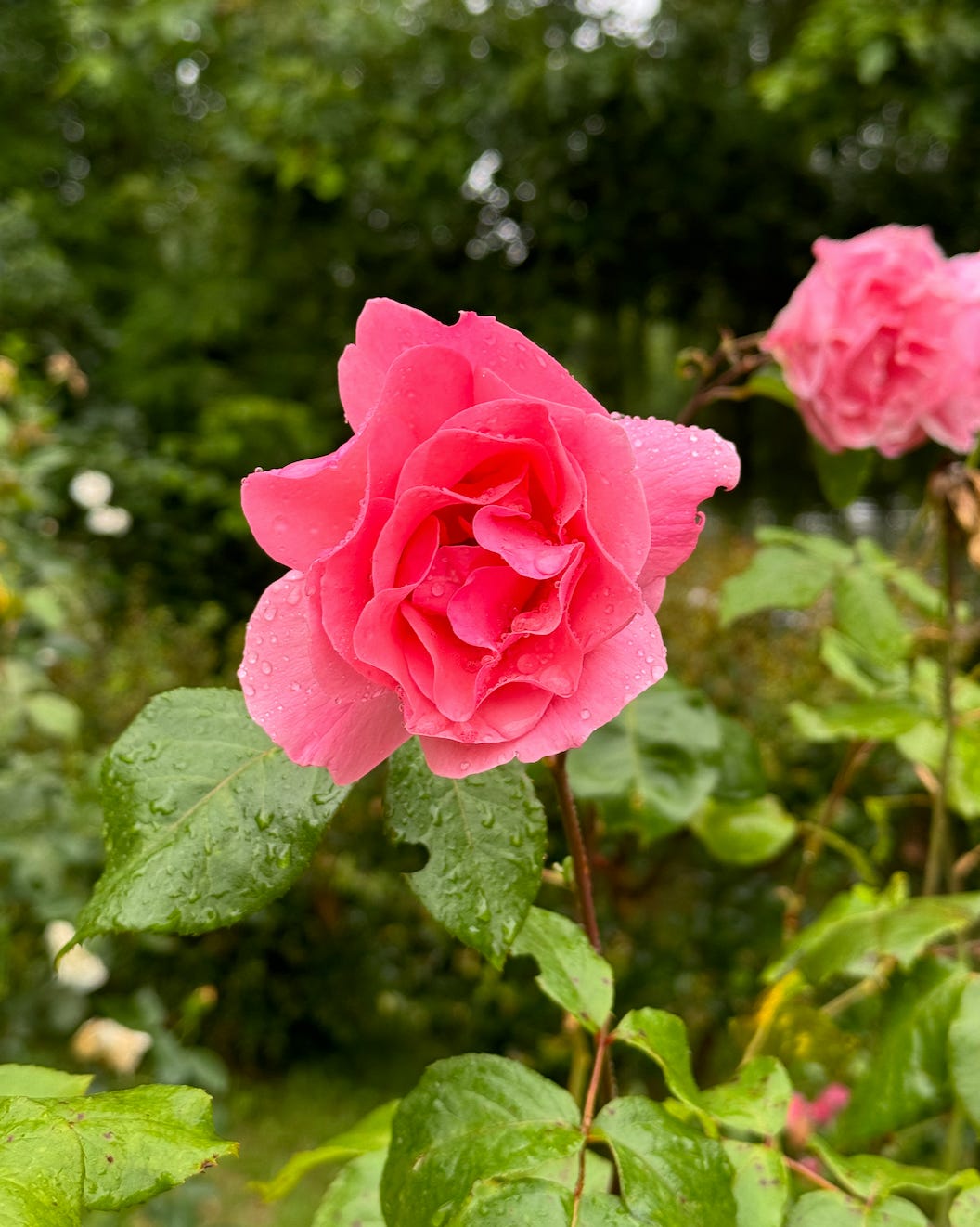
Rose 101
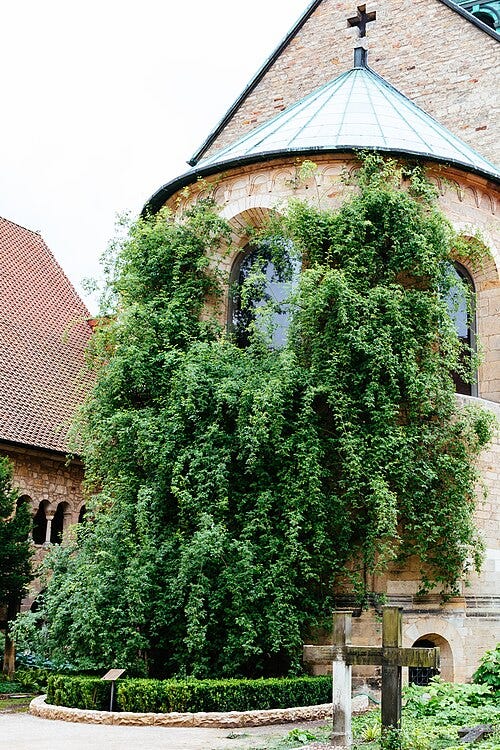
Dare I say, the world’s favorite and most popular flower is the rose. It has existed for nearly 30 million years evidenced in fossil records around the world from Europe and Asia all the way across to North America. The rose is much more than a simple ornamental plant as it can be used in cooking, medicine, perfume and more… Today, you can still go visit a 1000 year old rose at The Cathedral of Hildesheim in Germany!
The rose is entirely usable and versatile. Ancient Romans were known to place thousands of rose petals on floors as carpeting, toss them into bathtubs, throw them at guests during ceremonies and also flavor their banquets with the aromatic petals. While the rose represented rebirth and was a status symbol, it also represented and continues to represent love due to its tie with the Goddess of Love, Venus.

Nowadays, there are over 300 species and 10,000+ cultivars each as distinct as the next - think climbing roses, shrubs, mini petals, big boy round petals, pink, red, white, orange etc…
A species occurs naturally whereas a cultivar is created by humans (ie a hybrid)
The first roses were most likely cultivated in the imperial gardens of the Zhou Dynasty in China. There existed other species in Europe but the most important event for gardeners around the world occurred in the early 1700s when the extremely special Rosa chinensis made its way to Britain by the botanical explorer James Cunningham. Stemming from South West China, this rose changed the game for gardens all over the world. Unlike other European roses which tended to be smaller, the Rosa chinensis bloomed more than once in the year. This meant that by hybridizing the European rose which had disease resistance with the Rosa chinensis, a rose came to be called the Hybrid Tea rose that flowered continuously and could also withstand colder temperatures.
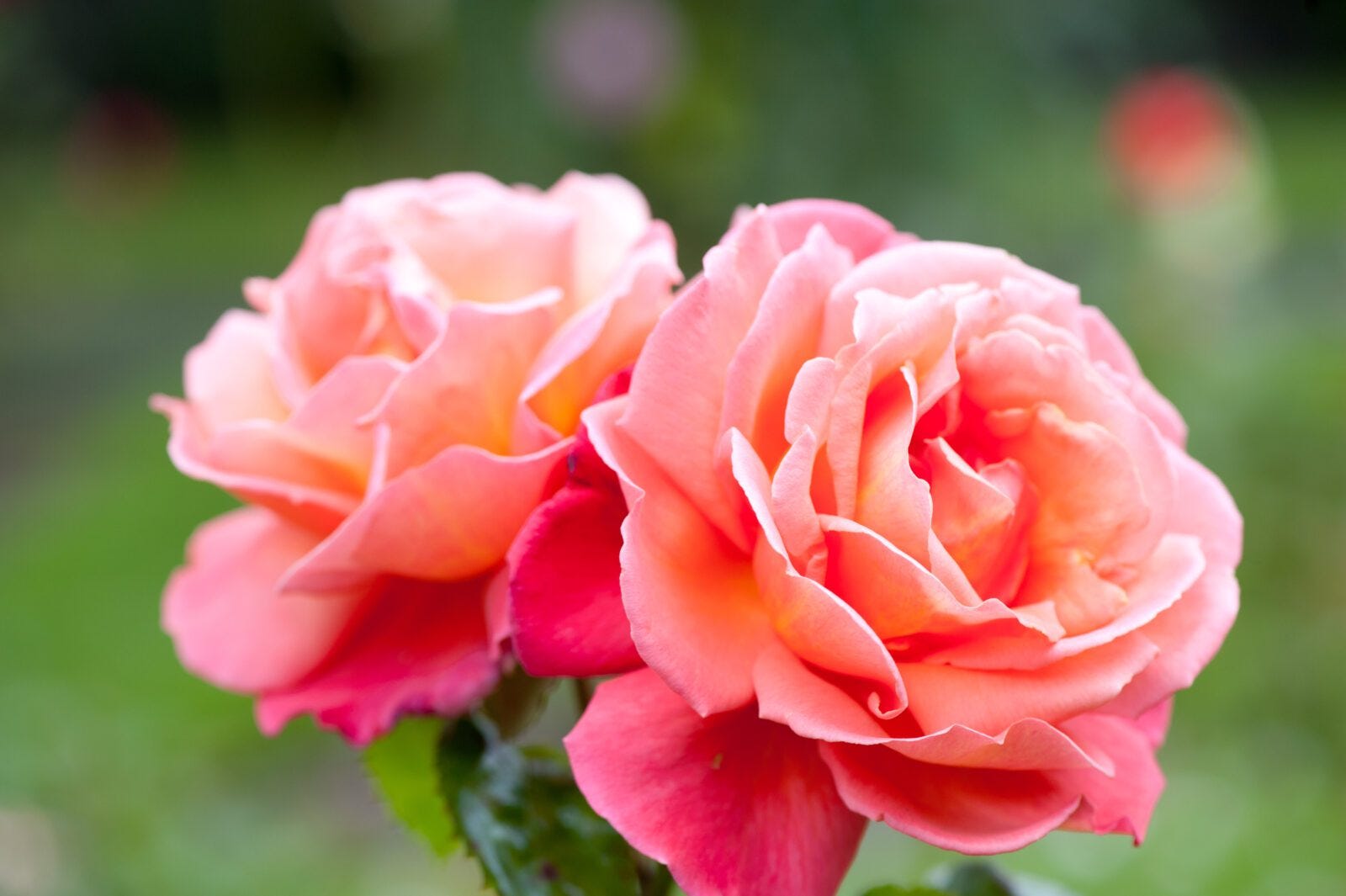
The year 1867 in which the Hybrid Tea Rose was invented is an important botanical marker as any rose created before is deemed an antique rose and any after, a modern rose.
Empress Josephine of France was a notable rose fanatic as her garden was home to 250 species and varieties of roses. At the time, this number literally represented EVERY variety known to man at the time.


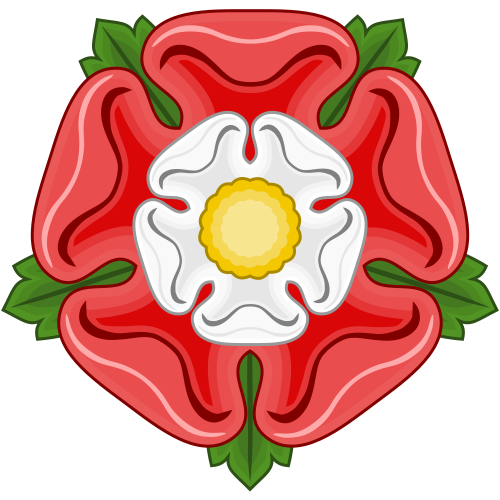
Ever heard of the Tudor Rose? Perhaps the War of the Roses? In the civil war between the royal house of Lancashire and the royal house of York, Lancashire wore a red rose whereas York wore a white one. When they were united, their emblem became the Tudor Rose, both red and white as depicted below.
On my big rose day out, I learned that Sue grows Gertrude roses specifically which have an extremely delicate and citrusy flavor. I was tempted to taste the roses we grow here at the mills and let’s just say… they’re NOT Gertrude roses and I will not be making jelly or anything edible with them any time soon. If you’re like me and are sensitive to rose flavor, take a bite out of a petal (if you grow it yourself and know there are no nasties in the soil) and see how you fare!
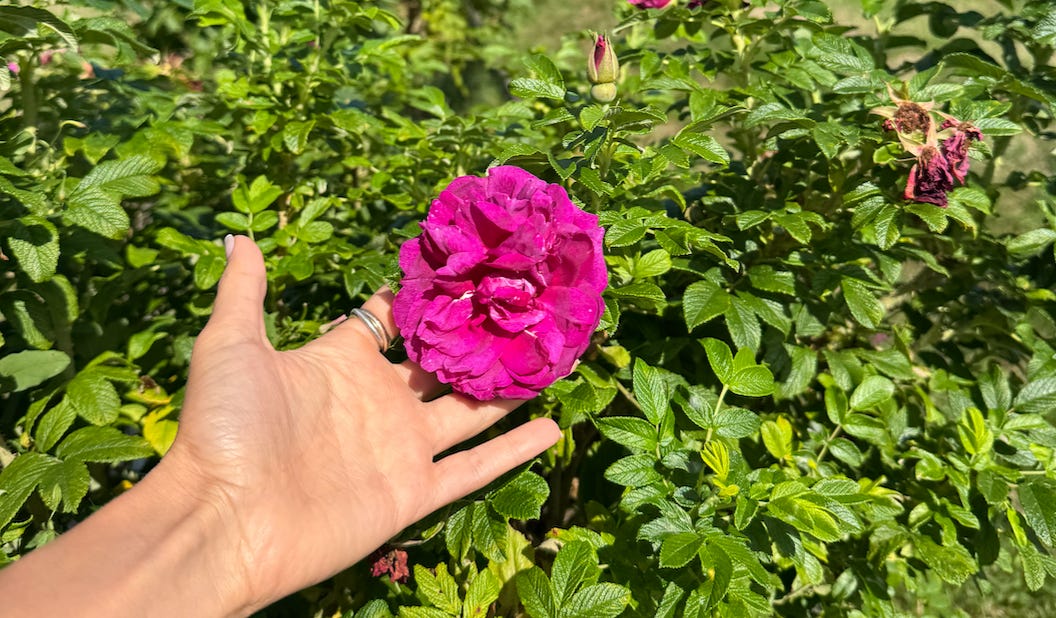
Every part of the rose CAN and SHOULD be used!
Pollen - Woohoo pollinators! Let’s keep our ecosystem going!
The rose’s strong aromatic smell naturally attracts pollinators so it’s just doing its thing and doesn’t need human intervention.
Petal - jelly, jam, honey, syrup, infusions, chutney, sauce, dried for smell
If you’d like to make rose petal chutney, you can swap in rose petals for elderflower here.
Rose Hip - jelly, jam, honey, syrup, infusions, chutney, sauce
You can eat these raw right off the branch but beware, it’s very hairy inside! Just give it a good squeeze and eat the sticky and sweet part surrounding the inside.
Seeds - I had no idea until this newsletter but turns out, the seeds are a good source of vitamin E. In China they’re commonly used ground and placed into infusions
Leaves + Bark - commonly used in pharmaceuticals and cosmetics
Product Recommendations & Pairings


The only rose-flavored products I’ve liked so far are the Fortnums ones so here are my top picks:
Rose Chutney - all time favorite rose condiment
I love that they use the leftover ugly petals from the rose petal jelly selection to make this condiment. Nothing goes to waste!
Rose Petal Jelly - the original, the classic
I absolutely adore how thin the rose petals are because it makes each spoonful of the jelly a textural delight.
Rose Petal Prosecco Jelly - dare I say I prefer this one to the above?
The flavor of the Prosecco makes it slightly more bitter and savory which allows me to pair it with more than the classic jelly.
Rose Litchi Preserves - this is a fun new summer addition!
Rose and litchi are an iconic duo in France that I’ve never been able to appreciate so I’m really happy to finally feel like I have true French blood by enjoying it.
The color, taste, and consistency of a product changes when you make bigger batches so it did not surprise me when the McNeill family disclosed that they hand pick, sift, and cook every batch themselves. Even their marmalade is cut by hand and they use over 2 tons of citrus! Now that is an art.
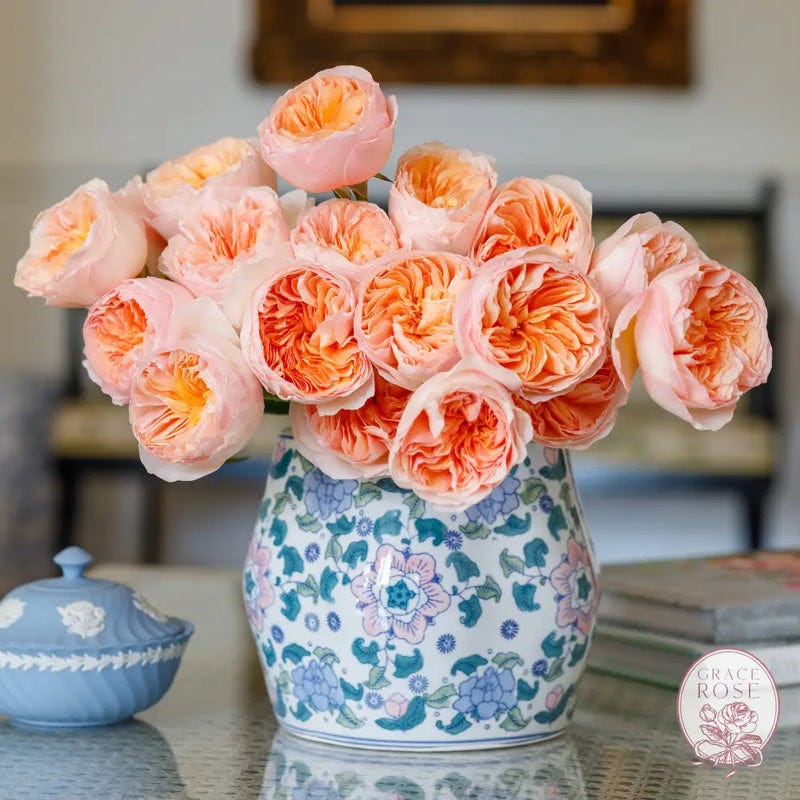
I’ll leave you with one last fun fact. The world’s most expensive rose cost £2.3 million to create… After 15 years developing the flower, David Austin first displayed this “Juliet Rose” at Chelsea Flower Show in 2006. I am now on the hunt to see one in the flesh and will have my eyes PEELED!
Ufff there are great Persian dishes with rose water. You may traverse this territory with pistachio pairing of sorts
PS. Just ordered your book and can't wait for it to arrive!