
Mint 101
A flavor you can feel

Brief history + how to plant from a supermarket pack + mint syrup recipe
There are two types of people in this world – mint lovers and haters. I personally find the refreshing, cooling, and bright flavor of mint to be an absolute miracle. That a singular leaf can impart so much freshness will never cease to surprise me. I was reminded for my love for the herb during the London heatwave this summer when the only thing that could help me cool down was chewing minty gum and chugging some cold water at the same time – if you’ve never tried it, doing this feels like a gust of freezing cold air.


What makes mint so special is that it is a flavor you can feel. This cooling feeling is due to the menthol compound found in the herb which activates the cold receptors, TRPM8, in your mouth. The simple kitchen herb can literally trick your brain into thinking your body is cold! This feeling is not taste nor is it smell; rather, it is part of the somatosensory system, a network of neurons that perceive temperature, pain, and touch. HOW NEAT IS THAT?!


My all time favorite mint recipes include this crispy, crunchy, fresh cucumber mint jam and this Erewhon mint chip energizer dupe smoothie <3333
Brief History
Originating in North Africa around 1500 BCE, mint has been used since ancient times in both medicinal and culinary sectors. It has been long valued for the same reason we love it today - its strong aromatic properties.
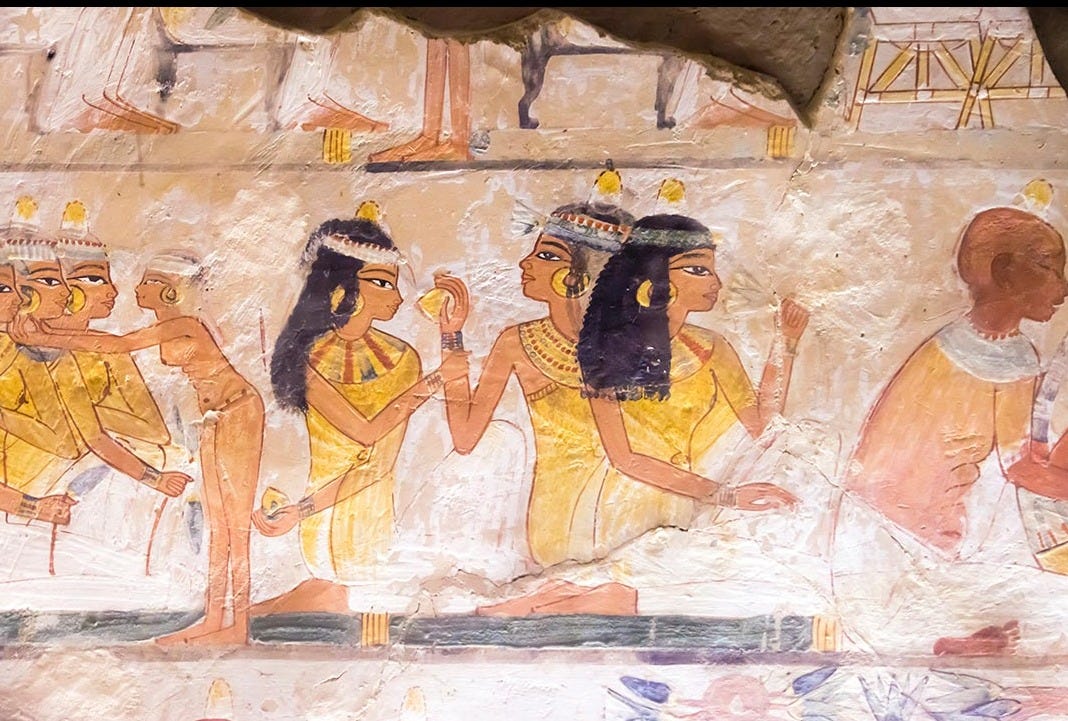
It’s safe to say that most of us taste mint daily when brushing our teeth and the Egyptians were no different! Despite not having toothbrushes, they chewed on mint to help their bad breath and even went as far as to create a special candy made from the herb - the first ever “mints”!
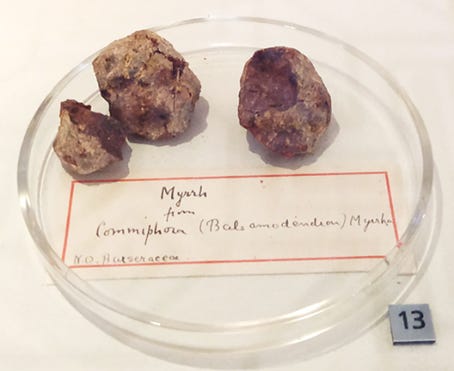
Egyptian evidence of this herb’s omnipresence in society does not stop there. It was not only mentioned in one of the oldest surviving medical texts, the Egyptian Ebers Papyrus, in 1550 BBCE as a cure to stomach pains but also found in the form of dried peppermint in ancient Egyptian pyramids dating 1000 BCE.
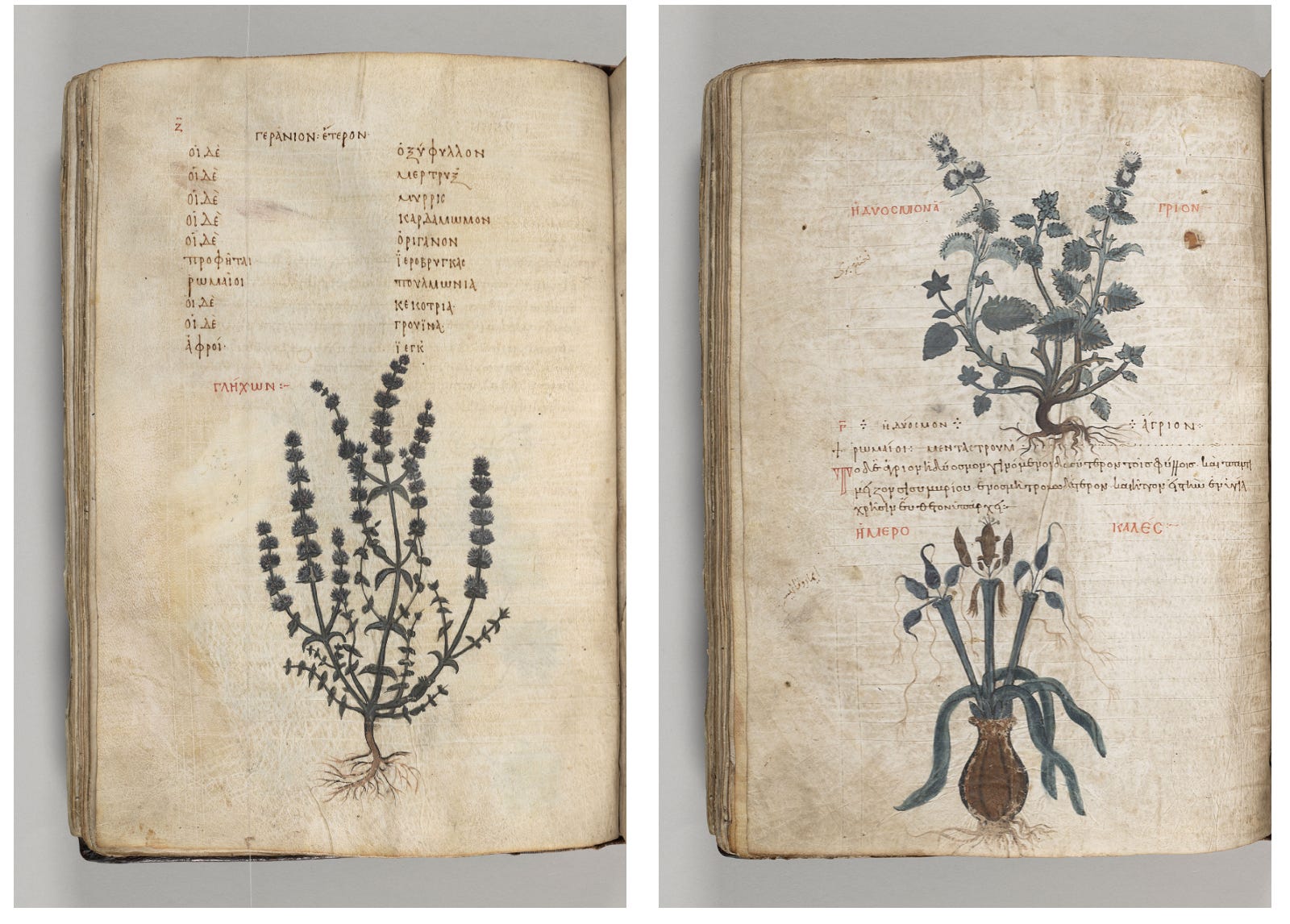
The Ancient Greeks were also huge proponents of mint using it ubiquitously. They were known to rub mint on their arms to make them stronger before battle, place mint in their baths, use the leaves as air freshener, and use the herb as a medicine for any gastrointestinal issues. A truly wide-ranging life saver that has continued in popularity into modern-day.
In Greek mythology, one of Hades concubines, a nymph called Minthe was turned into a bushel of mint prompted by his wife Persephone’s jealousy. Whether Persephone was the one to transform Minthe to end the relationship or Hades did so after his wife had already ripped her to shreds, the nymph was turned into her namesake Unfortunately for Persephone, karma came to bite her because men continued to be attracted to Minthe even as a mint plant due to her or should I say, its smell…
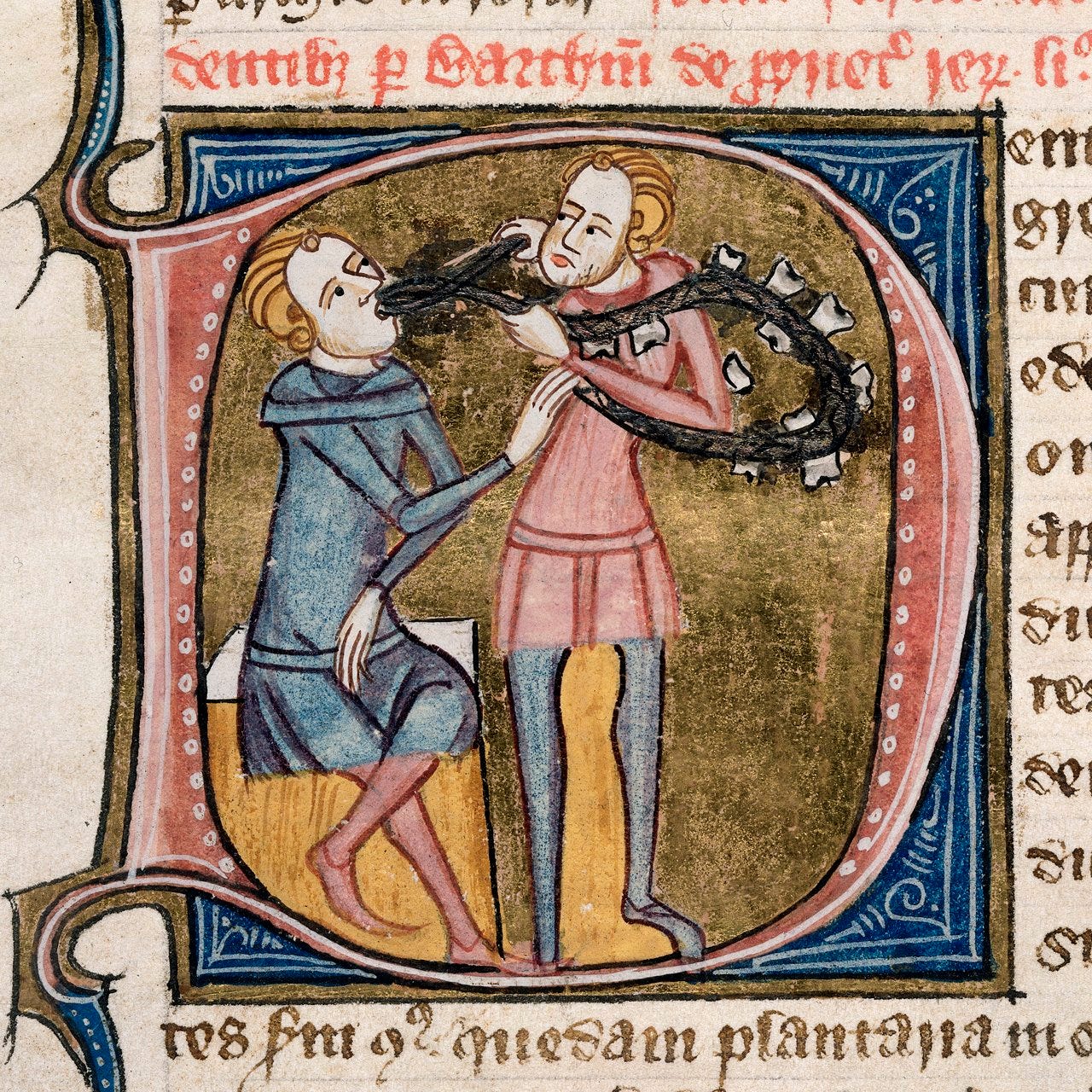
Much later during Medieval Times in Europe, mint was thankfully still used as a way to freshen bad breath. Although the feeling of freshness and clean the leaf provides is a simulation, mint started being combined with vinegar as precursor to mouthwash which fortunately is a bit more aseptic. I don’t even want to begin thinking about what medieval teeth looked and more importantly, smelled like.
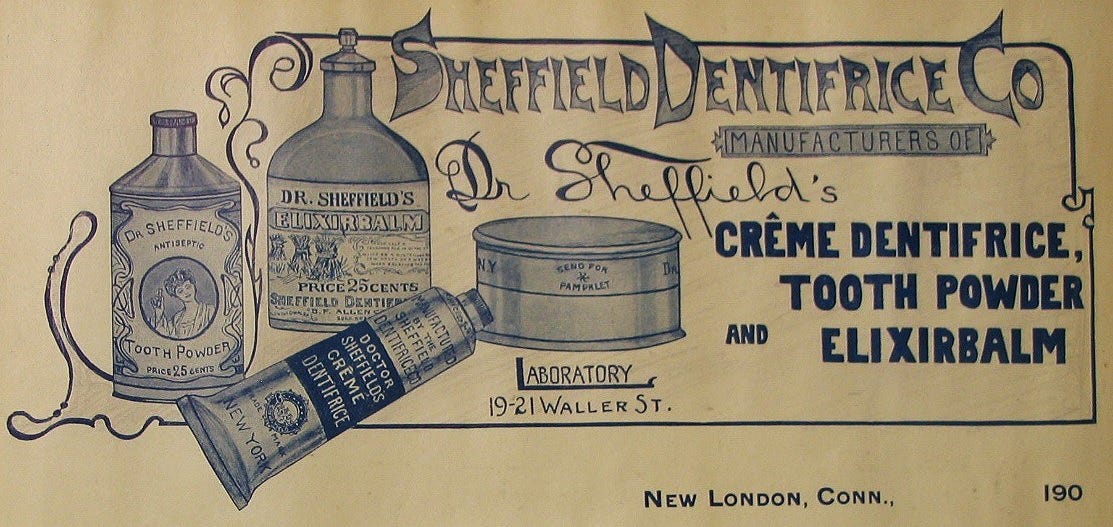
Today, we are so used to toothpaste being mint flavored, but have you ever wondered why that is? In the 1870s, an American dental surgeon by the name of Washington Sheffield created the first ever toothpaste made up of baking soda and hydrogen peroxide. Unsurprisingly, this combo was not delicious by any means, so he added in some mint extract to overpower the other flavors. This sweet and crisp herbal addition was a hit among his patients which blew up his business overnight.
Throughout times, mint has also been used in numerous beauty products such as perfume due to the lovely and strong smell menthol imparts. I could do one about its aroma, assistance against nausea, stomach pain and so forth but let’s wrap it up here so that you can learn how to plant it at home!
In the Garden
What’s great about most kitchen herbs is that they don’t need much space. Whether you live in a tiny apartment with nothing but a windowsill or in a giant manor with acres of land, an herb will be happy and provide you with exciting flavor year-round. Mint is a perennial which means that once it grows, will grow back yearly.
Let me also add that mint is illegally easy to grow in your garden, almost too easy. Let’s just say it’s actually a weed so the second you plant it, beware. I’d personally recommend planting it in a separate pot because it willinvade the rest of your garden. At the mills, ours has managed to grow in random spots on the grass which thankfully make mowing the lawn a delightfully delicious aromatic experience. We did not include it in our little kitchen herb garden as to let the soil work hard for our other aromatics instead.
Planting at Home
Although mint ideally prefers a cool and moist area, it can also be happy in full sun as it’s really not too fussy. You can grow mint from seeds, little cuttings, or even by dividing thriving plants. The easiest way to grow mint is to buy a bunch from the supermarket and use the stems as starters.
Remove the bottom leaves from the stem
Cut off around 1 cm from the bottom of the stem
Dunk the bottom of the stem in water for a few weeks and watch the roots grow!
Once you have roots you’re happy with, plant the stem into a little pot with soil and enjoy your mint foreva eva!
This week’s raspberry mint syrup recipe can be found here :)
Did you enjoy today’s deep dive into a specific herb? I’m someone with at least 3 herbs in my fridge at all time so let me know if you ever need inspiration, a brief historical recap, recipe ideas and pairings…
I’m a huge mint fan. I’ll take it in just about anything
minty matcha is immaculate